March 24, 2026
Heating and cooling systems operate under changing demands throughout the year. Summer heat, winter cold, and seasonal shifts place different kinds of stress on HVAC equipment. For this reason, many property owners rely on professional service providers to keep systems operating efficiently. Seasonal workload fluctuations can impact system components such as compressors, motors, and coils, which must adapt to varying temperature conditions and longer operating cycles. Professional maintenance programs from HVAC companies help systems remain prepared for these operational shifts while supporting more consistent indoor comfort and system reliability across different seasons.
According to Clear Seas Research, only 30% of Americans schedule preventive maintenance for their HVAC systems. This statistic highlights a major gap in routine maintenance, given the critical role of heating and cooling systems in comfort, energy efficiency, and equipment longevity. Professional maintenance from experienced HVAC companies provides a structured approach to keeping systems prepared for seasonal changes. Through scheduled inspections, detailed performance testing, and adjustments to operational settings, HVAC companies can identify small performance issues early. Addressing these concerns during routine service visits helps maintain system efficiency, reduces the likelihood of unexpected failures, and supports longer equipment lifespans.
Preparing Systems for Seasons
Seasonal transitions create noticeable shifts in HVAC workload. Cooling systems often operate continuously during warmer months, while heating systems carry the load during colder seasons. Preparing equipment before these demand changes can significantly improve system performance. Shifting temperatures also cause systems to cycle differently, which can affect internal components and airflow patterns.
Professional HVAC companies typically conduct pre-season inspections to review system components, operational settings, and airflow conditions. These inspections often include reviewing thermostats, checking refrigerant levels, and evaluating system controls. Technicians may also review outdoor units, electrical connections, and drainage systems to verify that all components are ready for increased workload.
By scheduling professional service before peak seasons begin, property owners can reduce the risk of unexpected equipment failures. Early maintenance also allows HVAC companies to address wear that developed during the previous operating season. Addressing these issues before temperatures rise or fall dramatically helps maintain stable indoor conditions.
Inspecting System Components
Heating and cooling systems contain multiple mechanical and electrical components working together. Compressors, coils, motors, and electrical connections all influence system performance. Over time, these components can develop wear or accumulate debris that affects efficiency. Small changes in system behavior may indicate developing problems that require professional attention.
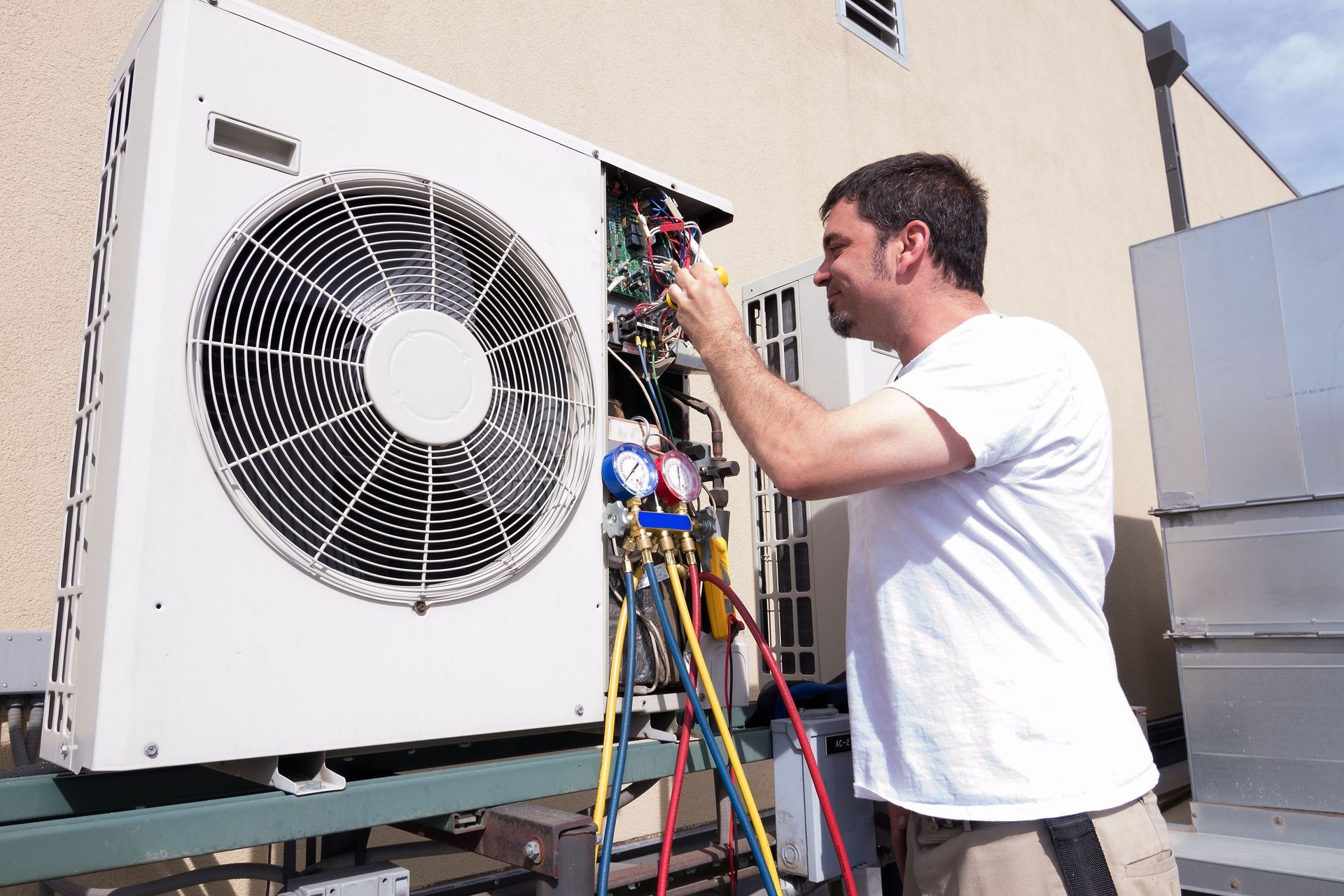
During routine service visits, HVAC companies inspect major system components to verify that everything is functioning within proper operating ranges. Technicians often review electrical connections, evaluate moving parts, and test system safety controls. Additional checks may include monitoring motor performance and verifying proper system cycling.
This type of inspection allows HVAC companies to identify early indicators of mechanical strain or electrical issues. Addressing these concerns during routine service helps maintain consistent performance throughout the heating or cooling season. Preventive inspections also support longer system operating life.
Cleaning Equipment Surfaces
Dust, debris, and environmental buildup can gradually affect HVAC performance. Coils, blower components, and drainage systems are particularly vulnerable to buildup over time. When these areas accumulate dirt, airflow and heat transfer efficiency may decline. This buildup can also place additional strain on system motors and compressors.
Professional HVAC companies typically include equipment cleaning as part of seasonal service. Cleaning evaporator and condenser coils can improve heat exchange efficiency, while clearing condensate drainage lines helps prevent moisture problems within the system. Outdoor units may also be cleared of debris that restricts airflow.
Maintaining clean equipment surfaces contributes to improved system airflow and better temperature regulation. HVAC companies use professional cleaning techniques and tools to remove buildup without damaging sensitive system components. Cleaner systems often operate more efficiently during high-demand periods.
Testing Controls and Safety Devices
Modern heating and cooling systems rely on a variety of electronic controls and safety mechanisms. Thermostats, pressure switches, limit controls, and electrical relays all play important roles in regulating system operation. These devices help manage temperature output and prevent system overheating or electrical issues.
During routine service appointments, HVAC companies test these components to confirm that they respond correctly during system operation. This process often involves checking thermostat communication, verifying safety shutdown functions, and confirming proper cycling of heating or cooling stages. Technicians may also review system calibration to confirm that controls respond accurately to indoor temperature changes.
Reliable system controls contribute to consistent temperature management and energy efficiency. Regular testing by HVAC companies helps confirm that the system responds correctly when operating conditions change. Well-functioning controls also support smoother system operation during extreme weather.
Monitoring Airflow and Ventilation
Airflow plays a major role in HVAC system performance. Even when heating or cooling equipment operates properly, restricted airflow can reduce overall efficiency and affect indoor comfort levels. Uneven airflow may also cause temperature differences between rooms or floors.
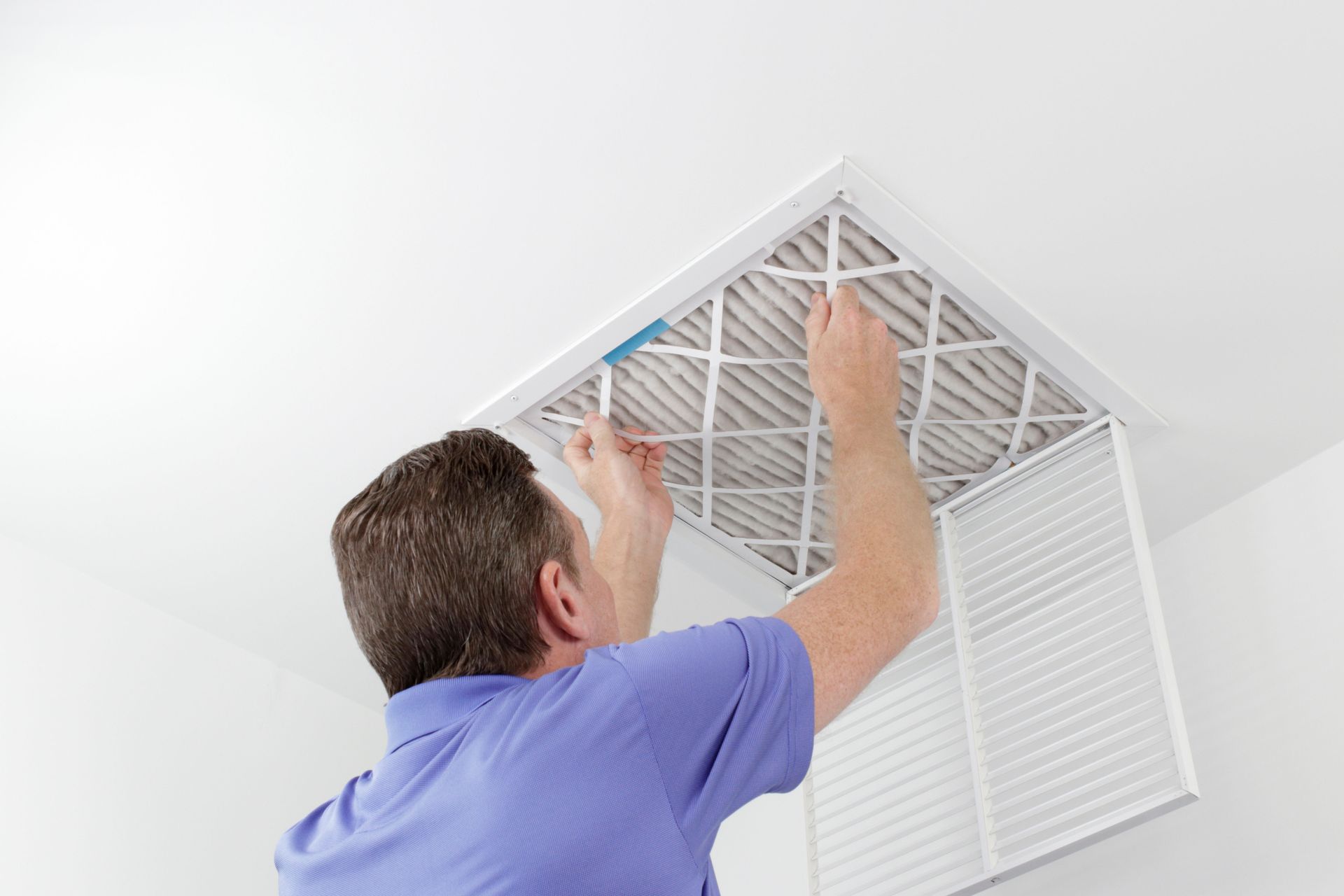
Professional inspections from HVAC companies often include reviewing ductwork conditions, airflow balance, and ventilation performance. Technicians evaluate whether air is circulating effectively throughout the building and identify areas where airflow may be restricted. They may also review return air pathways and vent placement.
Balanced airflow allows the system to distribute conditioned air evenly. HVAC companies frequently address airflow issues by adjusting system settings, reviewing duct connections, or recommending improvements that support more consistent indoor temperatures. Improved airflow often leads to more stable system performance.
Evaluating Energy Efficiency
Energy efficiency becomes a growing priority for many property owners as energy costs continue to fluctuate. HVAC systems account for a large amount of energy use in residential and commercial buildings, making system performance a key factor in overall operating costs. Even minor inefficiencies can increase long-term energy expenses.
HVAC companies often review energy efficiency indicators during seasonal maintenance visits. Technicians may analyze system runtime patterns, review thermostat programming, and check equipment performance levels against manufacturer specifications. In some cases, airflow or insulation conditions may also be evaluated to understand energy performance.
This evaluation helps identify opportunities for improved efficiency without requiring major equipment replacement. HVAC companies can recommend adjustments that align system performance with seasonal heating or cooling demands. These improvements often support lower operating costs over time.
Addressing Minor Repairs
HVAC equipment operates under constant mechanical stress during peak seasons. Components such as fan motors, belts, compressors, and electrical relays gradually wear down as systems cycle on and off throughout the year. As these parts begin to wear, performance may gradually decline.
Seasonal service visits allow HVAC companies to detect early signs of mechanical wear before larger problems occur. Identifying worn components during routine maintenance allows for repairs to be scheduled at convenient times rather than during emergency breakdowns.
Preventive maintenance strategies from HVAC companies often focus on monitoring performance patterns and identifying irregular system behavior. Early intervention helps extend the operating life of heating and cooling equipment. Addressing minor issues promptly also helps maintain consistent system output.
Scheduling Consistent Maintenance
One of the most effective approaches to HVAC care involves scheduling regular service visits throughout the year. Instead of reacting to unexpected problems, maintenance scheduling provides a predictable system care routine. Consistent service helps maintain reliable heating and cooling performance throughout seasonal changes.
HVAC companies typically recommend seasonal service appointments aligned with the start of heating and cooling periods. These appointments allow technicians to evaluate system performance before equipment enters its most demanding operating phase.
Consistent maintenance scheduling provides multiple advantages. Equipment remains prepared for changing temperatures, system efficiency remains more stable, and potential issues can be addressed before they escalate into costly repairs. Over time, routine service from HVAC companies contributes to more reliable system operation and better long-term equipment performance.
Seasonal HVAC maintenance is critical to keeping heating and cooling systems operating efficiently throughout the year. Professional inspections, system cleaning, airflow evaluations, and performance testing all contribute to better equipment reliability and improved energy efficiency. When scheduled consistently, maintenance services from HVAC companies help reduce unexpected system failures and support the long-term operation of equipment. For dependable seasonal system care, contact B Triple A Enterprises LLC to help maintain consistent heating and cooling performance throughout each season!